

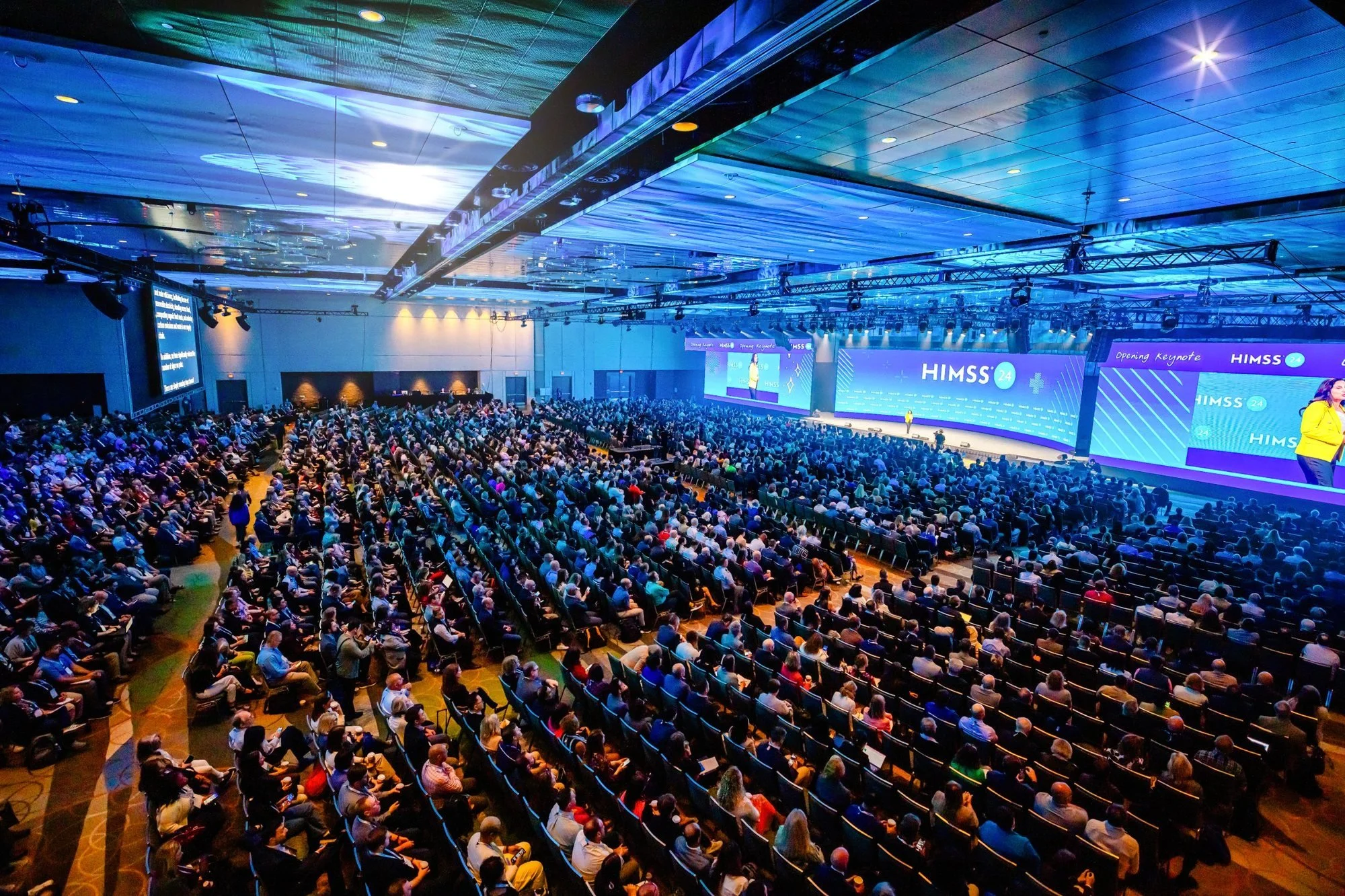
Thousands of attendees, one enormous room, and lighting designed for the audience rather than the camera.
Here's something most event planners never find out until the photos come back: the photographer who answered your inquiry may not be the photographer who shows up.
It's how a lot of the event photography industry works. A company books the job, then checks its list of freelancers to see who's free that Tuesday. One photographer covers the keynote, a stranger covers the breakouts, and someone the company met last month covers the evening reception. Everyone is talented. Nobody has worked together before. And it shows.
At Lotus Eyes Photography, we decided a long time ago not to work that way.
Same three people. Eleven years. No exceptions.
Our corporate event photography team is a core group of three photographers who have worked side by side for the past 11 years. We use the same team at every event. We don't pull from a pool. We don't send a "trusted partner" we found on a forum.
If our core team isn't available for your dates, then Lotus Eyes Photography isn't available for your dates.
Yes, that means we sometimes turn work away. October books out months in advance, and some inquiries simply don't fit the calendar. We're fine with that. Saying no to a date protects every client who hears yes.
Why most event photography companies use a roster
The roster model isn't evil. It's just built for the photography company rather than for you.
A pool of freelancers lets a business say yes to every inquiry, cover several events on the same day, and grow without training anyone. For the company, that's efficient. For the planner, it introduces risks that rarely make it into the sales conversation:
Inconsistent images. Three photographers with three different camera systems, three editing habits, and three ideas of what "well lit" means will hand you three different-looking galleries.
No shared language. Photographers who have never worked together spend the first morning figuring out who covers what. That's usually when the opening keynote happens.
Unknown quality control. You vetted the company. You didn't vet the freelancer they booked last week.
A brand that looks different every day. On a multi-day conference, day one looks warm, day two looks cool, and the awards dinner looks like it happened at a different company.
Marketing teams notice this immediately. A recap carousel where every image looks like it came from a different event doesn't feel polished. It feels assembled.
What working with the same photographers for 11 years actually gets you
A consistent style that doesn't need a style guide
Our signature look is vibrant, clean, colorful, and timeless. We don't keep it consistent by handing new freelancers a mood board. We keep it consistent because the same three people have been shooting and editing together for over a decade.
When your gallery arrives, the keynote, the breakout sessions, the exhibit hall, and the cocktail reception all look like they belong to the same event. Because they do.
Identical gear, on purpose
Every member of our core team shoots on the same mirrorless camera system. That's not brand loyalty. It's strategy.
When everyone uses the same cameras, color science starts in the same place before a single image is edited. Files behave the same way in post-production. And if a body or lens needs swapping mid-event, any of us can grab another kit and keep shooting without missing a session.
We're very good in bad light

A dark stage, a glowing LED wall, and a speaker who still looks exactly like himself.
Let's be honest about corporate venues. Ballrooms are dim. Breakout rooms have overhead fluorescents and one sad window. Stage lighting is designed for the people in the room, not the camera. Receptions get darker as the night goes on, which is lovely for the guests and difficult for everyone else.
Poorly lit events are where inexperienced photographers struggle and where our team has quietly become exceptional. Because we work together constantly, we've developed shared techniques for low-light event photography: how to expose for a spotlit speaker without losing the audience, how to keep skin tones natural under mixed lighting, and how to make a dark reception look warm instead of muddy.
That skill isn't something you can hand to a freelancer the night before. It's built over hundreds of events, together.
Coordination without a briefing every morning
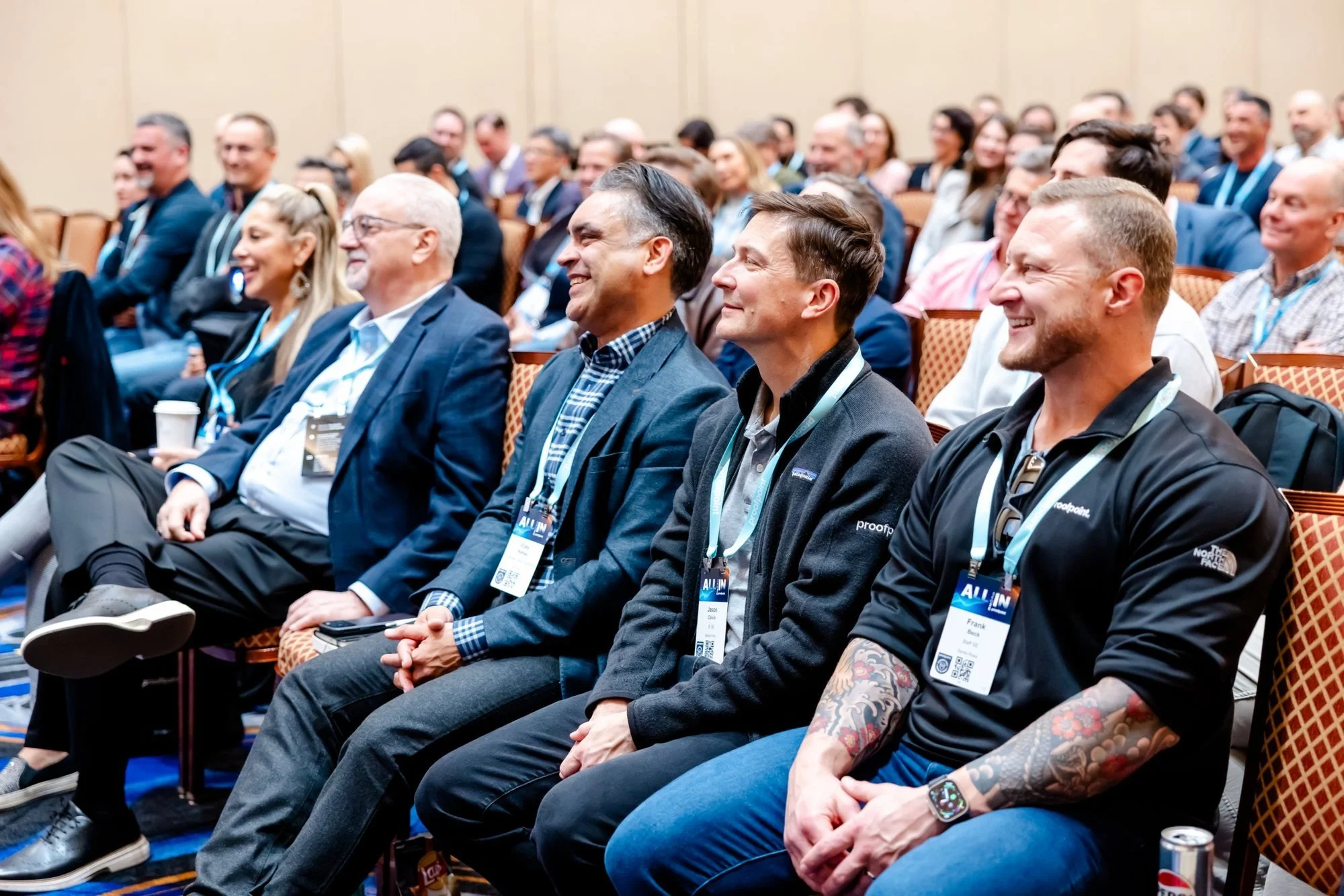
While one of us covers the stage, another is watching the room. Reactions like these are why.
On a multi-day conference, our photographers already know how each other work. We know who drifts toward candid networking moments, who is fastest on a stage, and who will notice the CEO slipping out of a breakout room. Coverage plans come together quickly, gaps get filled without discussion, and nobody ends up photographing the same panel from the same angle.
For you, that means less managing, fewer check-ins, and more confidence that the important moments were captured.
One editing standard, one delivery
Because our team edits to the same standard, your images arrive as one cohesive set rather than three folders that need reconciling. Edited galleries are delivered within 72 hours, with same-day highlight galleries available as an add-on when your social team needs content before the event ends.
Why we chose this model
We could have grown faster with a roster. We chose not to, for three reasons.
We wanted to stand out. In a market where many companies are pulling from the same freelance pool, the same photographers often end up working for several companies. We wanted our work to be unmistakably ours.
We wanted everything to be consistent. Clients who book us year after year should get the same quality, the same style, and the same people every time.
We wanted to build skills that only come from repetition. A team that works together for 11 years gets better together. That's how we became specialists in the difficult parts of corporate event photography, like low light, fast-moving stages, and multiple rooms running at once.
What this means for your next event
If you're comparing photographers for a conference, convention, sales kickoff, or executive event, ask every vendor one simple question:
"Who exactly will be photographing my event, and how long have they worked together?"
If the answer is vague, or if it's "whoever is available," you have your answer. For more questions worth asking, see our guide to what to look for when hiring a corporate event photographer.
When you book Lotus Eyes Photography, you know who's coming. You'll see the same faces at registration, on the main stage, and at the closing reception. You can read more about the people behind Lotus Eyes Photography here.
Frequently asked questions
Will the same photographers cover every part of our event?
Yes. We use the same team at every event: our core group of three photographers, who have worked together for 11 years. If our team isn't available, we let you know rather than sending someone else.
Why does using the same photographers matter for a multi-day conference?
Consistency. When the same photographers shoot with the same equipment and edit to the same standard, every day of your event looks cohesive, which makes the images far easier to use in marketing, PR, and social media.
Can your team handle dimly lit ballrooms and evening receptions?
Yes. Low-light venues are one of our team's specialties. We've developed shared techniques for stage lighting, mixed lighting, and dark receptions over years of working together.
How quickly will we receive our photos?
Edited images are delivered within 72 hours. Same-day highlight galleries are available as an add-on.
Do you only work in Orlando?
We're based in Orlando and photograph many events at venues like the Orange County Convention Center, but we cover corporate events nationwide.
You built something worth showing. Let's keep it consistent.
Your event deserves photographers who already know how to work together before they walk through the door. If you're planning a conference, convention, or corporate event and want a team instead of a roster, explore our Orlando corporate event photography services or check our availability.
Same team. Same standards. Your brand, beautifully consistent.